


How can merchants receive payments using crypto? latest guide for 2026
Cryptocurrency remittances are revolutionizing our understanding of cross-border payments. Compared to traditional banking systems, cryptocurrency transfers offer a faster, lower-cost, and intermediary-free payment method.
Whether you want to send money to family, make international business payments, or simply transfer money to a friend, cryptocurrency offers an efficient solution. This article will guide you on how to securely send cryptocurrency remittances.

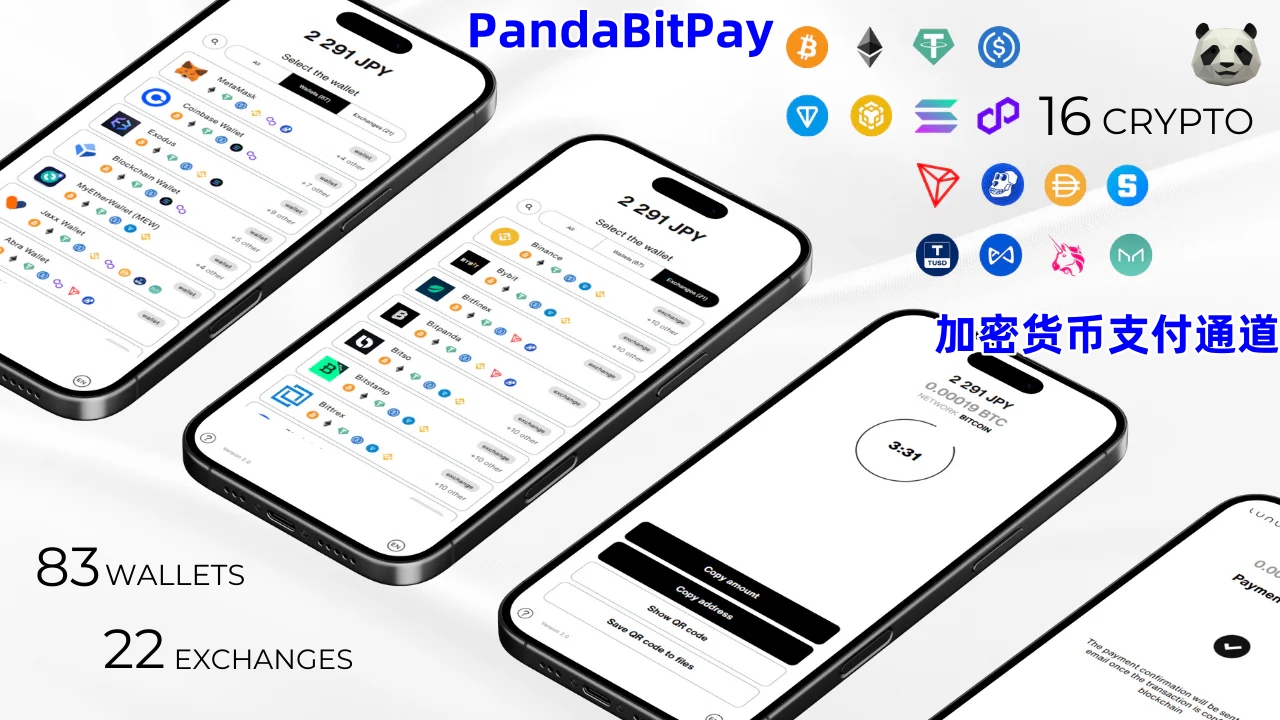
Preparation: Choosing a Currency and Wallet
The first step to successful cryptocurrency remittances is choosing the right digital currency and wallet. Bitcoin (BTC) and Ethereum (ETH) are the most popular choices, but stablecoins such as USDT are also frequently used for remittances due to their price stability.
Consider transaction speed, fees, and volatility based on your needs. After choosing a currency, you’ll need a secure wallet to store and manage your cryptocurrency.
Wallet types are diverse, including mobile wallets, desktop wallets, web-based online wallets, and hardware wallets that offer higher security.
Make sure to download the wallet from an official or trusted source and keep your mnemonic phrase safe; this is the only way to recover your wallet.
Key Steps: Verifying Addresses and Networks
The most crucial step in cryptocurrency transfers is verifying the recipient’s address and selecting the correct blockchain network. This is a critical guarantee of fund security.
The recipient’s wallet address is a long string of numbers and letters, functioning similarly to a bank account number. You must accurately copy and paste this address—manual entry is extremely prone to errors and can lead to the permanent loss of funds.
Different cryptocurrencies typically operate on multiple blockchain networks. For example, USDT can operate on networks such as ERC20 (Ethereum) or TRC20 (Tron). The sender and receiver must choose the same public blockchain network; otherwise, funds will not arrive or may even be lost.
A useful tip is to remember the starting characters of common addresses: ERC20 addresses usually begin with “0x”, TRC20 addresses with “T”, and Bitcoin addresses usually begin with “1” or “3”.
Platform Operation: Taking [Example Platform Name] as an Example
Five Steps to Introduce Crypto Payments for Merchants, Easily Connecting to the Global Market.
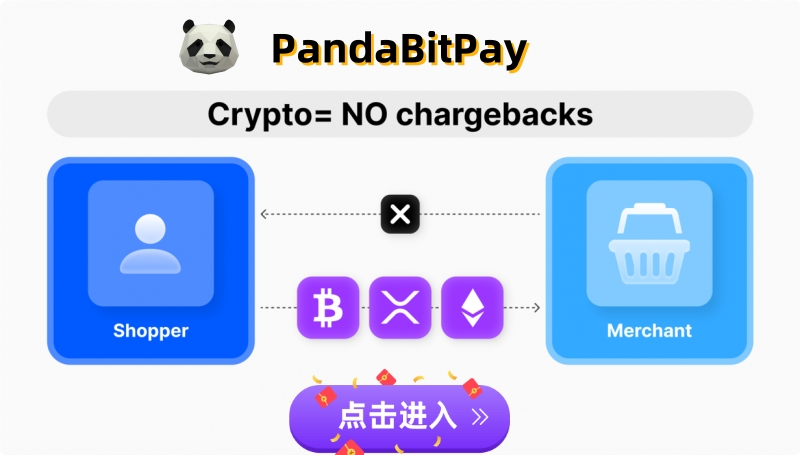
Step 1: Choosing a Suitable Crypto Payment Gateway
This is the most important step. A good provider can handle all the hassles for you. When choosing, consider the following:
Supported Currencies: Besides Bitcoin, does it support Ethereum, stablecoins (USDT, USDC), etc.?
Transaction Fees: What are the transaction fees? Are there any other hidden fees?
Integration Method: Does it support your e-commerce platform (such as Shopify, WooCommerce), provide API integration, or offer a simple payment link?
Currency Exchange Service: Can it be set up to automatically convert received cryptocurrency into New Taiwan Dollars or US Dollars and deposit them into your bank account?
Internationally renowned providers include BitPay and Coinbase Commerce.
Step 2: Register an Account and Complete Merchant Verification
As with any financial service application, you need to provide basic company or personal information to complete Know Your Customer (KYC) or Know Your Business (KYB) verification to comply with Anti-Money Laundering (AML) regulations.
Step 3: Integrate Payment Systems (API Integration, POS Machines, or Payment Links)
Choose the most suitable integration method based on your business type:
E-commerce Website: Most service providers offer ready-made plugins or detailed API documentation, allowing your engineers to easily add cryptocurrency payment options to the checkout page.
Brick-and-Mortar Merchants: You can use the service provider’s Point of Sale (POS) application to generate payment QR codes directly on your phone or tablet.
For personal payments or social media sales: The simplest way is to generate a fixed payment link and share it with customers to receive payments.
Step 4: Set up automatic currency exchange to mitigate cryptocurrency price fluctuation risks
To avoid losses due to price drops after receiving Bitcoin, it is strongly recommended to enable the “automatic currency exchange” function. Set up your bank account, and the service provider will immediately convert the funds into your designated fiat currency (such as New Taiwan Dollar) at the market rate upon receipt and transfer the funds to you at settlement intervals (e.g., daily or weekly). This way, you only enjoy the benefits of cryptocurrency payments without bearing the risk of price fluctuations.
Step 5: Educate employees and customers, and start receiving payments!
Place signs indicating acceptance of cryptocurrency payments at checkout counters or on your website, and provide brief training to employees to ensure they understand the checkout process. You’re now ready to welcome digital currency users from around the world!
Awaiting Fund Transfer and Network Confirmation
Cryptocurrency transactions are not instantaneous. They require confirmation from the blockchain network, and the time this takes depends on network congestion and the characteristics of the cryptocurrency you choose.
For example, the Bitcoin network may take anywhere from 10 minutes to an hour or even longer to complete a confirmation. Other networks (such as Solana) may be much faster.
You can usually track the confirmation status of your transaction on the exchange’s “Withdrawal History” or on a blockchain explorer. Generally, the more confirmations, the more secure and irreversible the transaction. During this time, you need to be patient.
Use Cases for Cryptocurrency Remittances
Cryptocurrency remittances are already widely used, especially in scenarios where traditional banking services are inconvenient or expensive.
Cross-border remittances: For those needing to send money to family abroad, cryptocurrencies can save significant fees and time. For example, some service providers specialize in offering innovative remittance solutions using BTC for countries like the Philippines.
NFT transfers: In addition to fungible tokens (such as BTC or USDT), cryptocurrency networks also support the transfer of non-fungible tokens (NFTs), unique digital collectibles.
Fiat currency exchange: Through the “Fiat Trading” section of exchanges, you can sell cryptocurrencies (such as USDT) for local fiat currencies (such as RMB) and withdraw the funds to your bank account or Alipay.
Once the blockchain confirms the transaction, the remittance is complete. At this point, the recipient’s wallet balance should be updated.
Please note: Cryptocurrency transactions are irreversible; once confirmed, they cannot be reversed. Therefore, always carefully check all details before each transaction.
If this is your first time, it is strongly recommended to conduct a small test transfer first to ensure the entire process goes smoothly and the recipient successfully receives the funds before proceeding with a large transfer.
The cryptocurrency world is rapidly evolving, and its remittance methods are constantly being optimized. Mastering these basics will enable you to use digital currencies for global transfers with greater confidence and security.
[1] How can merchants receive payments using cryptocurrency? Latest guide for 2026
[2] How can independent websites use cryptocurrency for payments and receipts? 【PandabitPay】
【3】The Dilemma of Traditional PayPal/VISA Payments: Reconstruction of Digital Cryptocurrency and Web3 – PandabitPay Payment
【4】What Cryptocurrency Should Independent Websites Use for Payment and Acquisition? 【PandaBitPay】
【5】Guide to Launching Indian Real Money Games on Facebook, Google, Twitter, TikTok, and PIN
<<<<<<<<===============Article Bonus================================>>>>>>>
<<<<<<<====================================Article Bonus===========>>>>>>>
